Watching a child find their voice is an exciting parenting moment. It’s amazing when they start to share their thoughts and feelings, communicate with more than just cries and give you a window into their world. But when you’re not sure if their language and communication is up to where it should be, it’s natural to feel concerned.
Maybe you’re noticing fewer words than expected, less back-and-forth interactions, or a growing frustration when your little one can’t express what they need.
While delayed language skills can sometimes be an early sign of developmental delays or autism, many children just need more time or support to help their language emerge.
The most important thing to know is this: early support for language and communication skills is helpful for every child.
Why Language Development Matters in Early Childhood
When you hear the word “language”, you likely think of words. But communication starts long before a child says their first word.
Language is about how your child listens, mimics a bird chirping, points to a snack, or catches your eye. It flourishes through shared moments and the way you respond to their cues. These small interactions build the foundation for future learning and social confidence.
Here are some practical strategies you may find helpful. They focus on connection, consistency, and creating wonderful opportunities where communication skills for kids can grow naturally.
6 Simple Ways to Support Your Child’s Language & Communication Skill
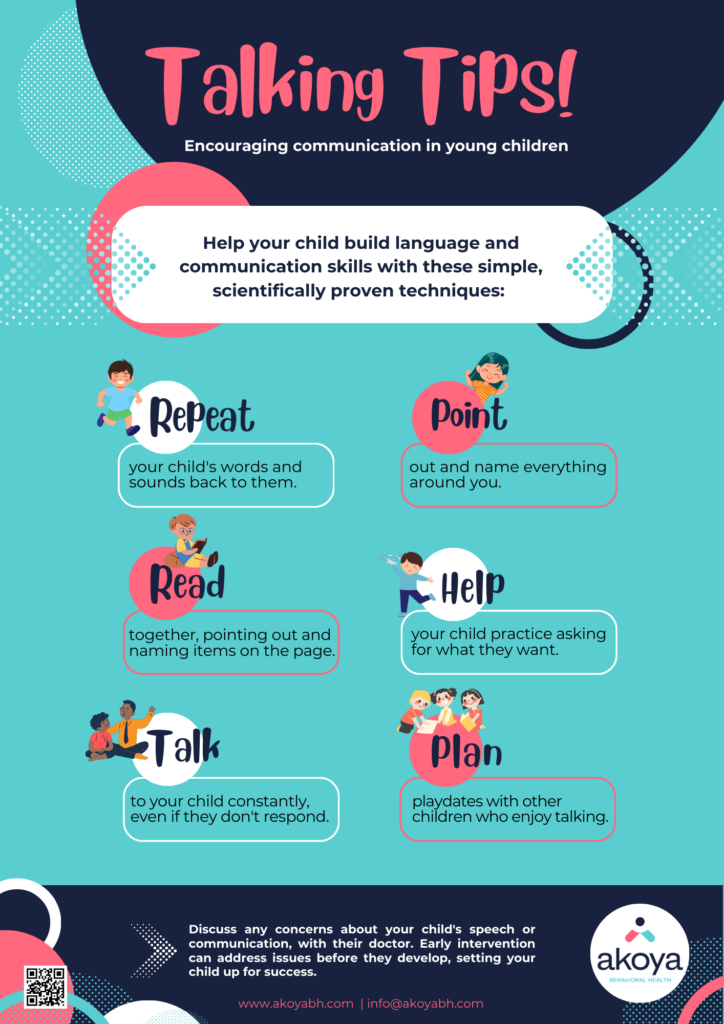
- Talk Through Everyday Moments
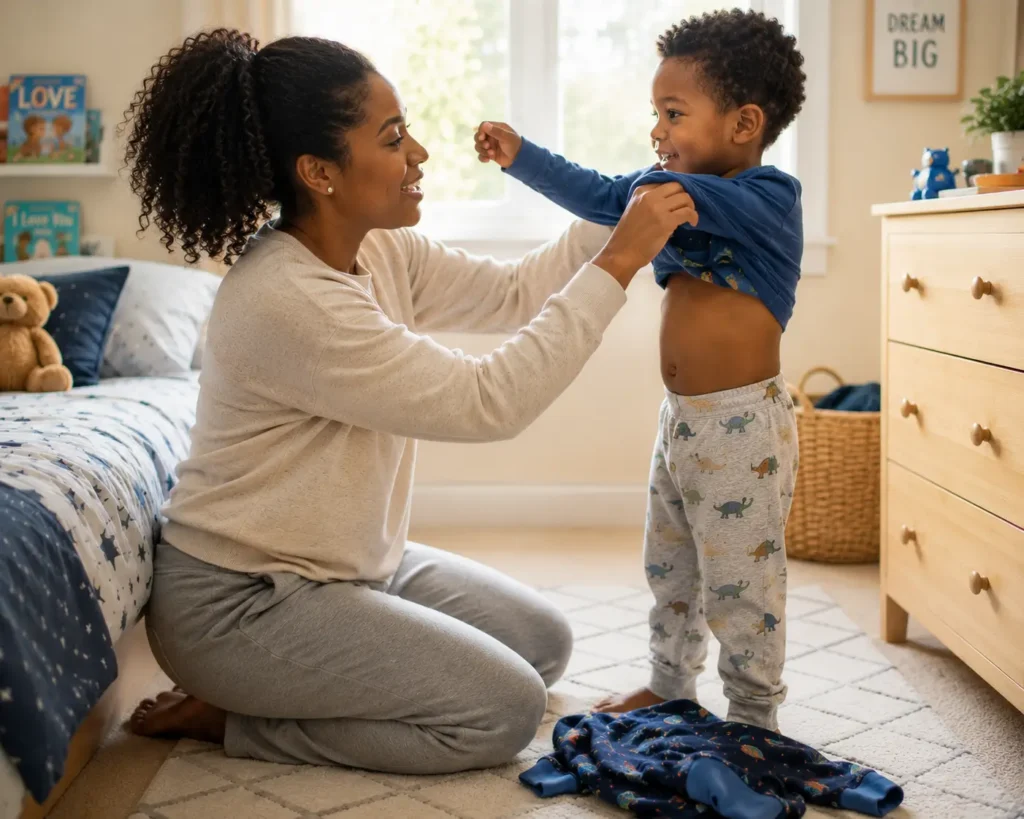
One of the easiest ways to support language development is to become a “narrator” for your child’s day. Talk out loud during your normal routines to help them connect words to the world around them.
- What this looks like:
While getting dressed, you say, “Shoes on! One foot, then the other.” During snacks, name the colors or describe the “crunch” of a cracker.
- A helpful way to approach it:
Keep it simple. You don’t need long sentences. Using clear, repeated words for things your child can see and touch is a powerful boost for language development
- Let Play Lead the Conversation
Play is where the magic happens for communication skills for kids. When you follow your child’s lead and join in with what they love, language development feels more engaging and natural.
- What this looks like:
If they’re racing cars, talk about the cars: “Red car, blue car. Red car goes fast! Vroom!” If they’re building, describe what you see: “That’s a tall tower!”
- A helpful way to approach it:
You don’t have to guide the playtime. Just sit with them, observe what catches their eye, and add language that matches with what they’re focused on
- Give Language a Reason to Happen
Children are much more motivated to communicate when there’s a reason to do so. You can create those reasons by giving small opportunities throughout the day to encourage them to reach out.
- What this looks like:
Hold a favorite snack or toy and pause before giving it to them. If your child looks at you, reaches, or makes a sound, model a word like “help” or “please.”
- A helpful way to approach it:
Celebrate every win. A glance, a gesture, or a happy squeak are all meaningful milestones in language development.
- Expand on What Your Child Says or Does
When your child tries to tell you something, build their language by taking what they give you and adding another detail.
- What this looks like:
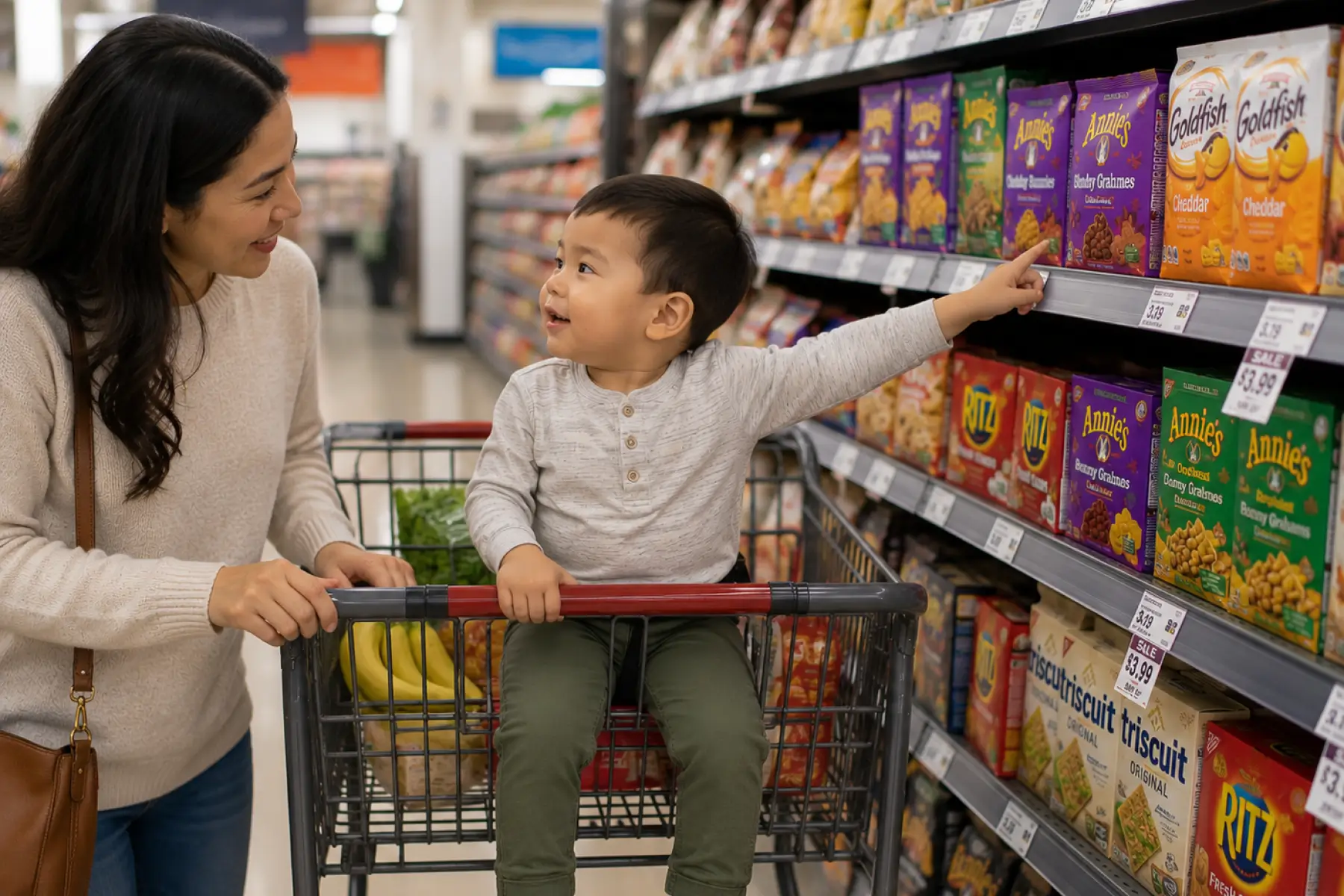
If they say “ball,” you can say “big ball.” If they point to a dog, you can say “dog” or “the dog is walking.”
- A helpful way to approach it:
Think of it as building a ladder one small rung at a time. This keeps things encouraging and stress-free.
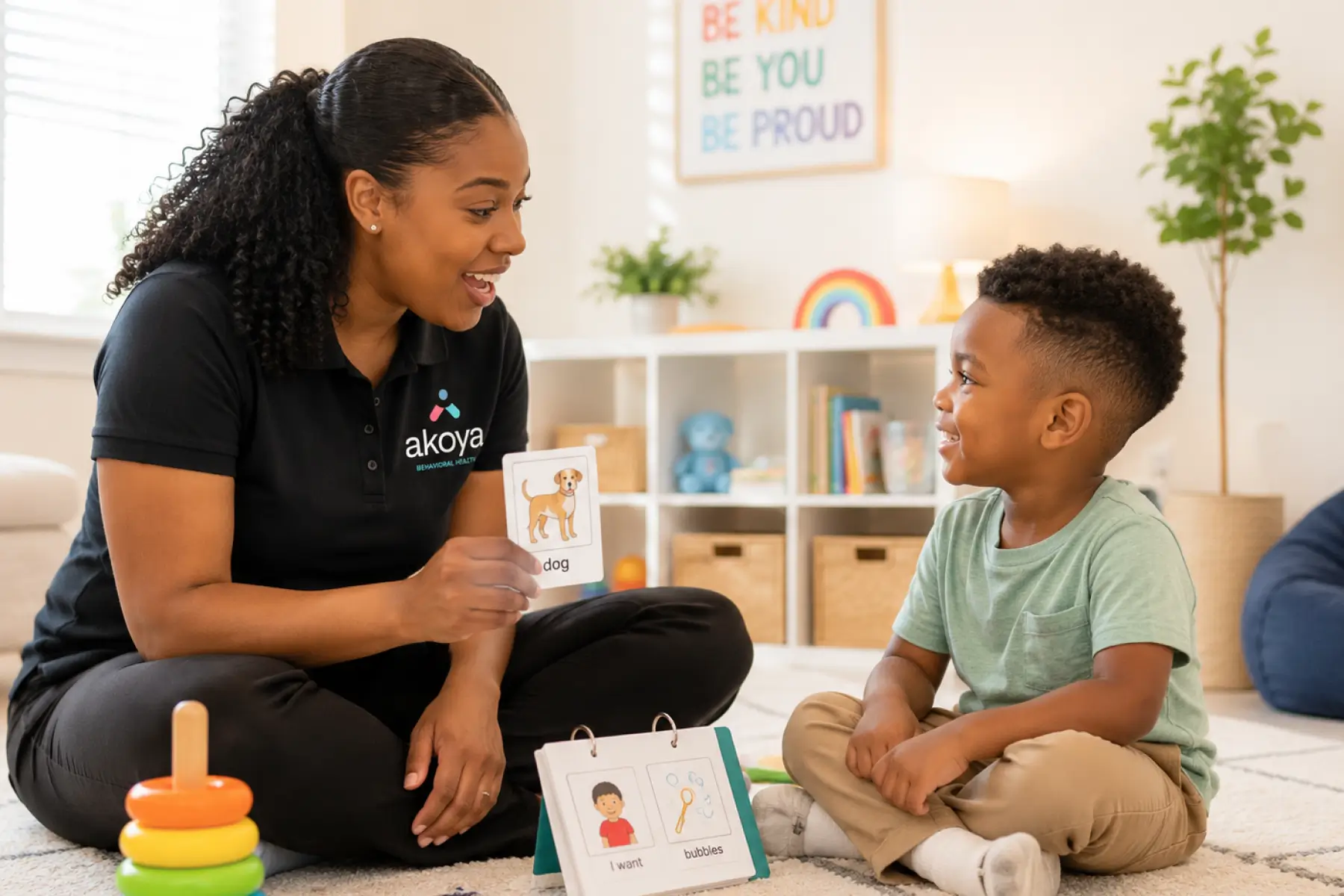
- Use Gestures, Pictures, and Visual Supports
Communication is so much more than just speech. Using your hands or pictures helps bridge the gap while your child’s spoken words are still developing.
- What this looks like:
Pointing, waving, or showing two different snacks to choose from can help them express their mind without needing words yet.
- A helpful way to approach it:
Use these tools with your words, not instead of them. Seeing a gesture while hearing the word makes it much easier for your child to understand and eventually join in.
- Read, Sing, and Repeat Often
Books and songs are like a workout for language development. The rhythm and predictable patterns make language easier and more fun to learn.
- What this looks like:
Re-read that favorite book (seventh time today?) or sing songs with hand motions like “Itsy Bitsy Spider”. - A helpful way to approach it:
Pause as you read or sing and see if they fill the silence with a smile, a gesture, or a sound. These joyful moments support language development and build closeness.
When Extra Support May Help
As you practice these steps, you might notice some big wins, but you may also feel that communication is still a struggle for your little one. If communication struggles show up regularly it’s probably time to seek an outside perspective.
Most parents start with a quick chat with their pediatrician or a speech therapist. These experts can help you identify exactly where your child’s language development is up to and if additional support may help.
Reaching out to a professional is often the best way to gain clarity and make sure you have access to the right tools to support your child.
Support That Meets Your Child Where They Are
Every family’s journey is different, and some choose to bring in extra help to help their child learn essential language and communication skills.
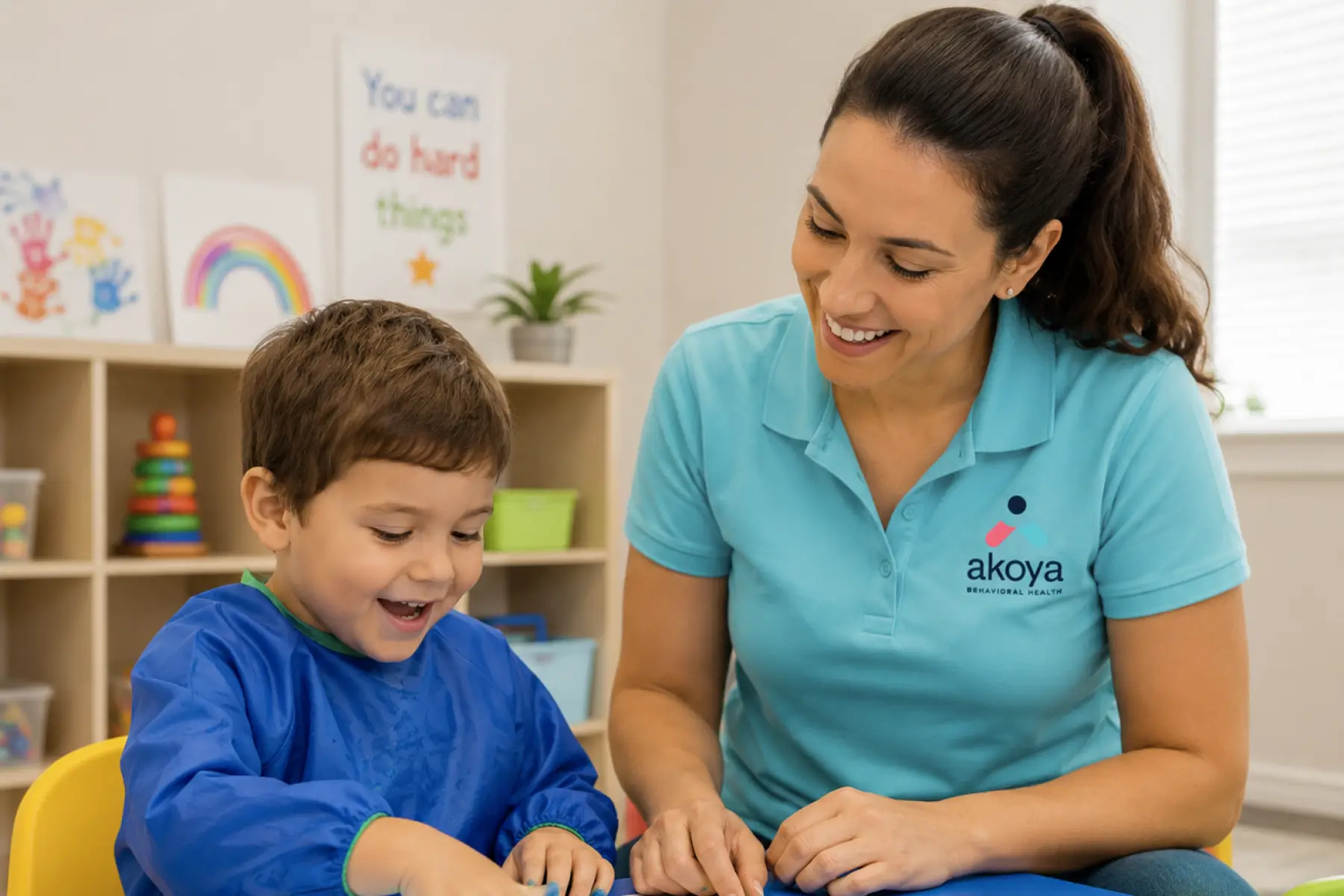
ABA therapy, or Applied Behavior Analysis, is one approach that can support communication skills for kids. It’s designed to help children find practical ways to communicate effectively, whether that’s making a choice between two snacks, asking for a hand when they’re stuck, or simply sharing a moment of excitement with you.
These skills are introduced through positive, play-based experiences that build on a child’s unique interests and strengths.
At Akoya, we believe support should be as unique as the child receiving it. For some, language development means working toward first words. For others, it means finding a voice through gestures, pictures, or other creative tools.
Families are always at the heart of this process, too. We focus on sharing simple strategies you can use at home, ensuring your child’s growth continues long after a session ends.
This teamwork helps children feel truly understood wherever they go and gives you a toolbox of ideas you can rely on whenever you need them.
Little Things Can Make a Big Difference
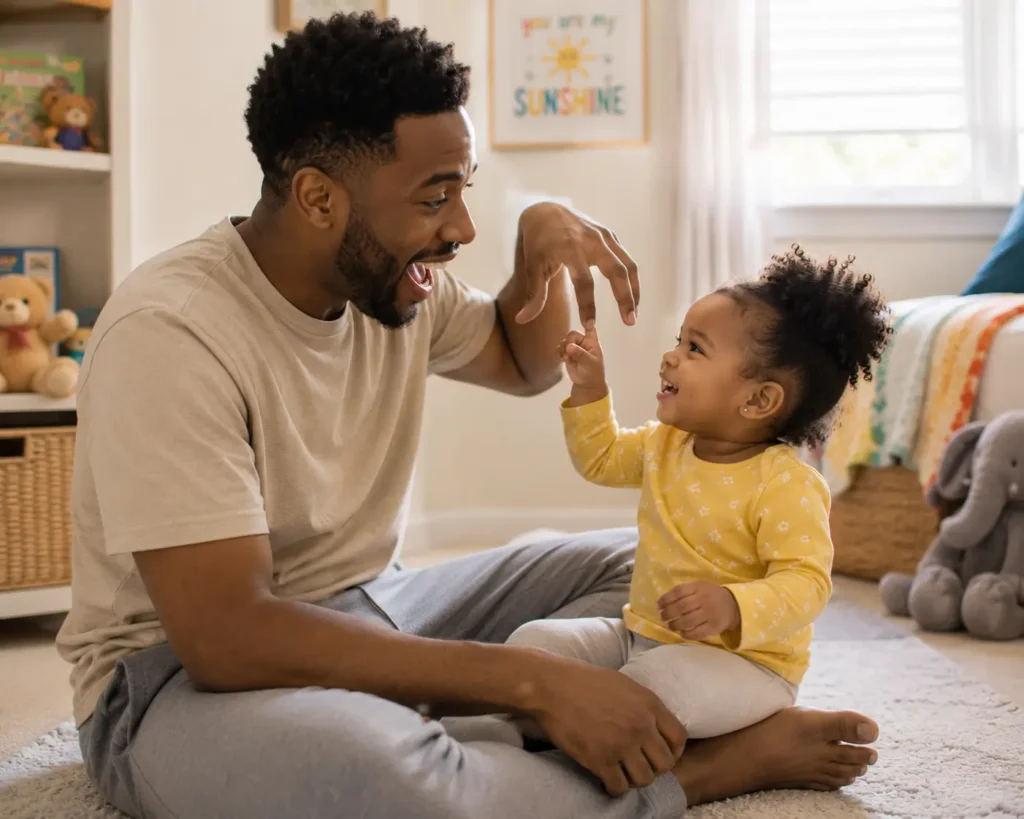
Supporting your child’s language development doesn’t require perfection. The best growth happens in everyday moments of connection.
If you’re looking for more guidance, you might find it helpful to read our article on recognizing developmental milestone patterns to get a clearer picture of when extra support might be useful. If you ever have any concerns, chatting with a medical professional is a great way to find peace of mind and direction.
Your bond with your little one is the most powerful tool. Learning more about their world strengthens the incredible love and care you already give them every day.
Read more on “Is my child developmentally delayed? When to seek professional support.”
Quick Answers for Parents
What is language development in early childhood?
Language development in early childhood is the way children learn to process the world and share their thoughts. It includes listening, using gestures, making sounds, and eventually building words and sentences.
How does language develop in early childhood?
Language development grows through repetition and connection. Children learn best when they hear words used often, watch how people interact, and have safe, encouraging opportunities to practice communicating in their daily lives.